Concrete driveways, patios and slabs in West Lafayette Indiana
New pours and tear-out replacements for homes across West Lafayette, Indiana, from the older streets near campus to the newer subdivisions at the edge of town. Every estimate is free and comes in writing, with the specs listed.
Get a free estimate
Two short steps. We call you back to set up a time to see the job.
Rather talk it through? Call (765) 508-4206
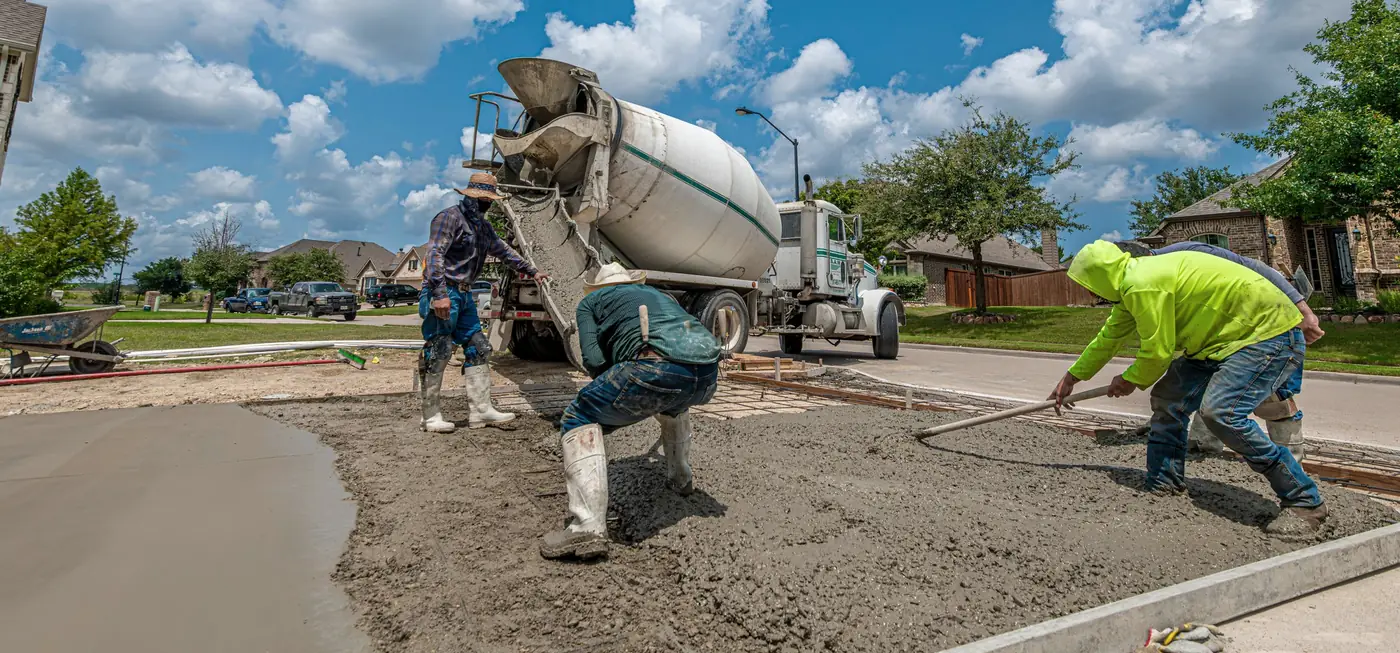
What we pour, and what it usually runs
Typical installed prices per square foot from published cost data for Lafayette, Indiana. Your number depends on tear-out, access, thickness, reinforcement and finish. The estimate is free.
-
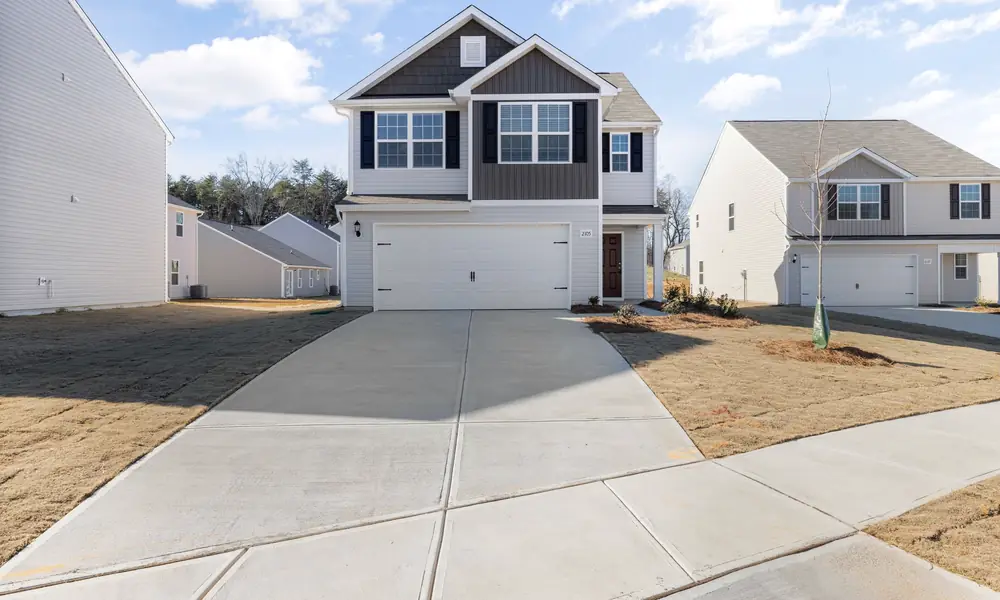
Driveways
New drives, tear-out and replacement, widening, parking pads and aprons.
$6 to $11per sq ft
-
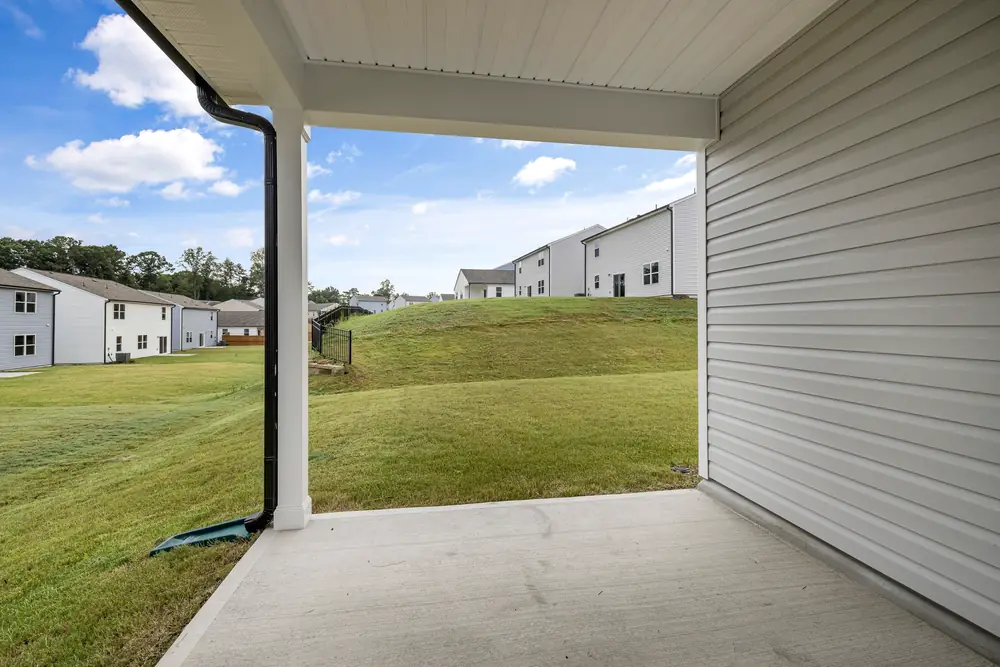
Patios
Back patios, covered patios, grill pads and the walk that connects them.
$6 to $11per sq ft
-
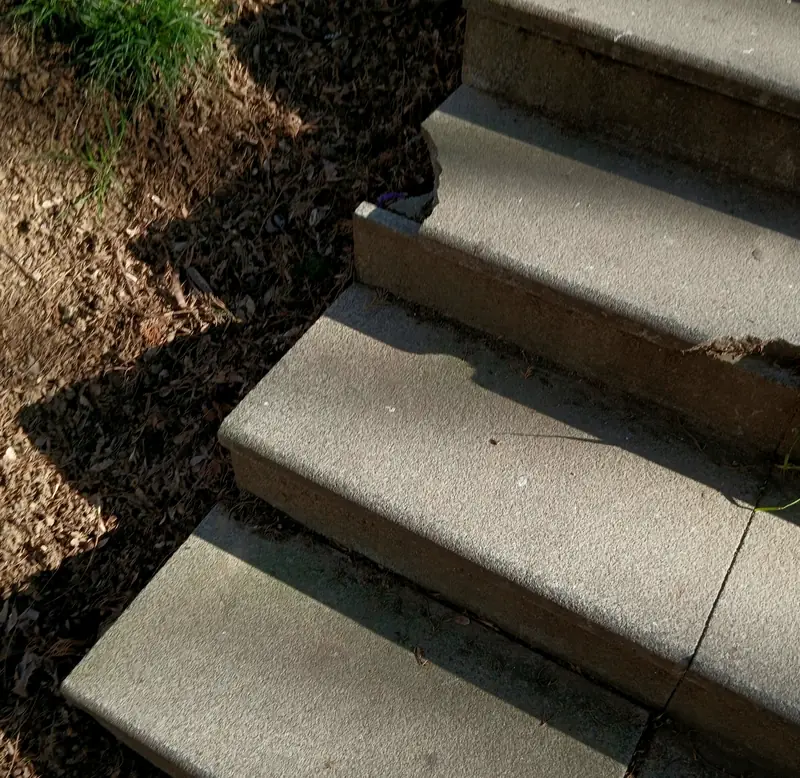
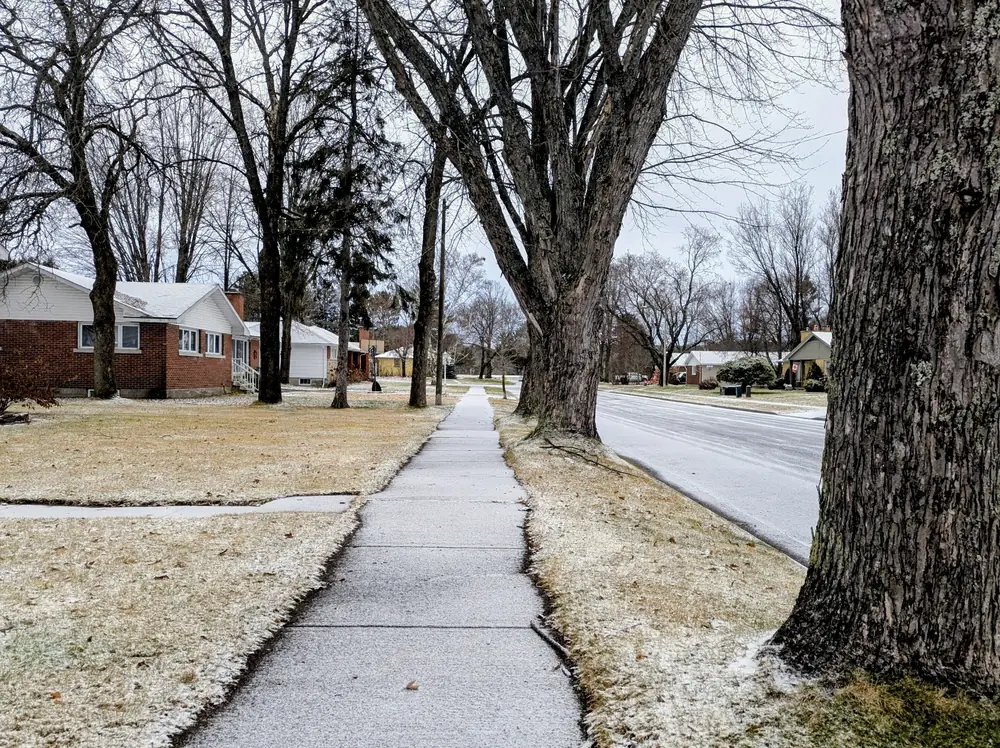
Sidewalks and steps
Front walks, side walks, stoops and steps built to the Indiana code.
$7 to $17per sq ft, walks
-
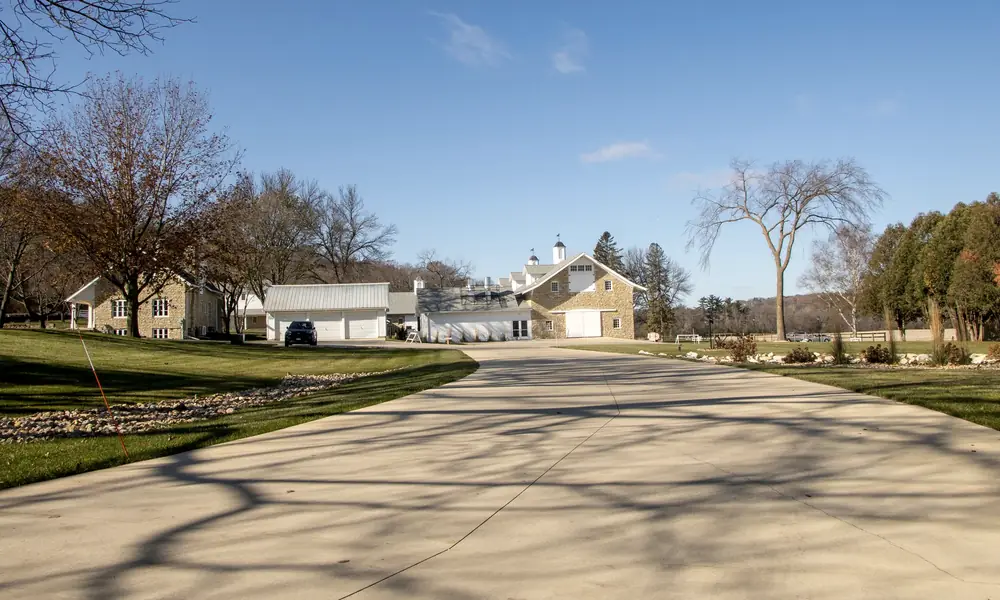
Garage, shop and barn slabs
Garage floors, shed pads, shop slabs and pole barn floors.
$6 to $11per sq ft
-
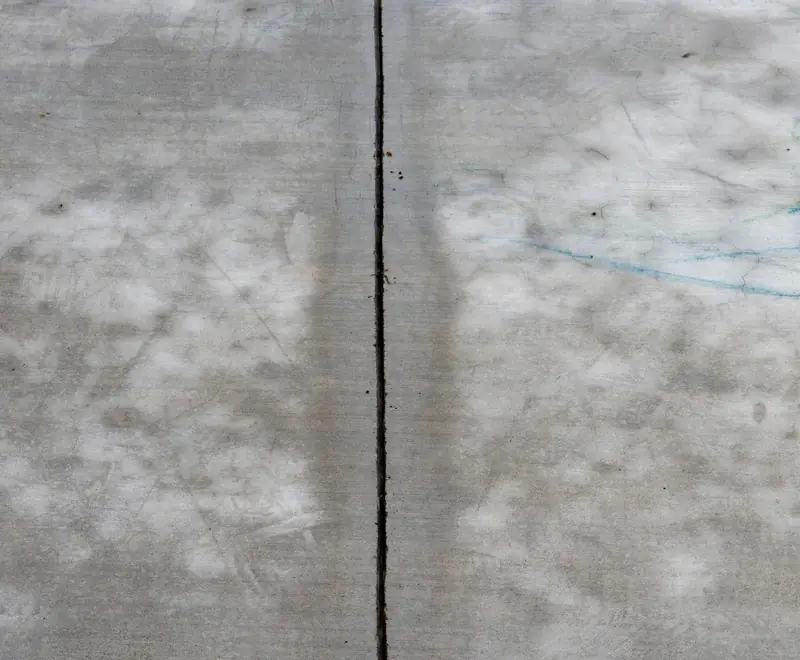
Removal and replacement
Cracked, sunken or heaved slabs broken out, hauled off and poured new.
+$1.20 to $1.90per sq ft to remove
-
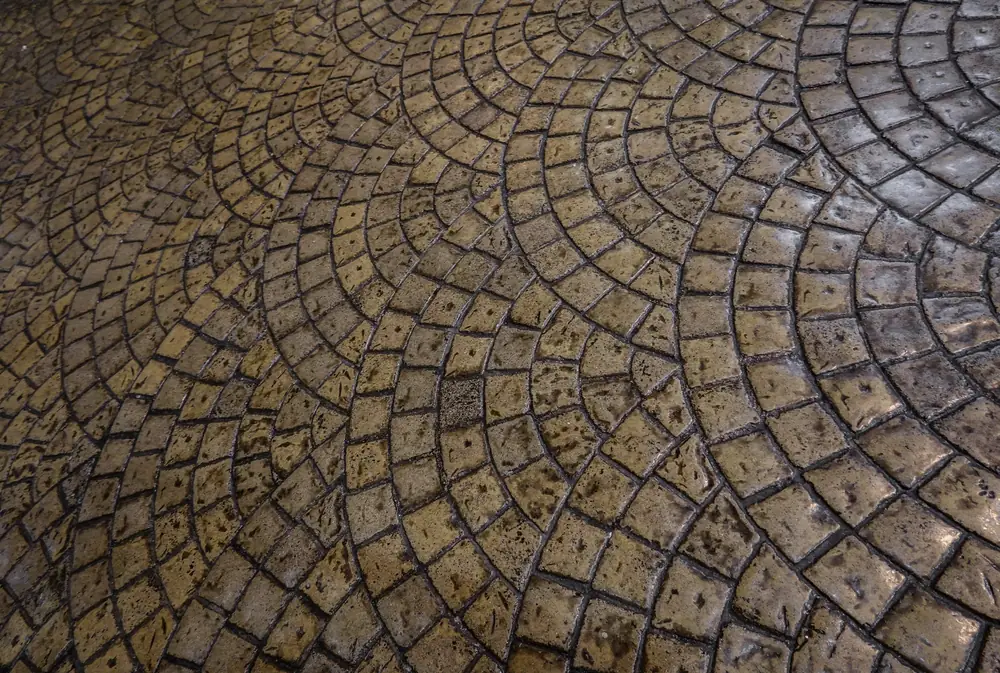
Stamped and colored
Stamped patterns, integral color and borders, sealed for our winters.
$8 to $16per sq ft
A two-car driveway, 20 by 24 feet, is 480 square feet. At $6 to $11 a foot, that's $2,880 to $5,280 before tearing out an old one, which adds $576 to $912. These are typical Lafayette-area ranges (national for sidewalks), not a quote. The cost guide has the details.
What goes under a driveway
A lot of early driveway failures start underneath, when water sits in a thin base and freezes. The drawing shows how a slab for this county should be built.
- ASlab4 inches of air-entrained concrete for cars. 5 to 6 inches where trucks, campers or trailers park.
- BStone baseCrushed stone, compacted, so water drains out instead of sitting under the slab.
- CSubgradeNative soil compacted, soft spots dug out. Much of the county is slow-draining silt over glacial till.
- DReinforcementWire mesh or rebar held up at mid-depth on chairs, not lying in the dirt.
- EJointsAbout every 10 feet on a 4-inch slab and at least a quarter of its depth, so the crack happens in the joint.
- FSlopePitched so water runs away from the house and garage.
- GFrost lineFootings for steps and stoops go down past the 30-inch frost depth the state sets for this county.
What our winters do to concrete
January nights at the Purdue airport average about 18°F, and the low reaches freezing on about 116 days a year. Near the surface, bare ground freezes and thaws dozens of times a winter.
Air in the mix
Air-entrained concrete holds tiny, evenly spaced bubbles that give freezing water room to expand. The ready-mix industry recommends it, at about 4,000 psi, for exposure like ours.
Below the frost line
Indiana's residential code sets the frost depth for Tippecanoe County at 30 inches. Footings for steps, stoops and porches go below it so they don't heave.
Somewhere for water to go
Slope, a stone base and joints in the right places keep water from collecting under the slab, where it freezes and lifts.
Easy on it the first winter
Skip deicing salt on new concrete its first winter, as the ready-mix industry advises. Shovel it, and use sand if you need grip.
How a job goes
A typical driveway or patio is a day or two of work on site, then about a week before you park on it.
- 1
Call or send the form
Tell us what you're pouring and roughly how big. Photos help. We'll set a time to come look.
- 2
We measure and write it up
We walk the site, check grade and drainage, and leave you an estimate that lists what goes into the slab, line by line.
- 3
Form, pour, finish
We dig out, set the base and forms, pour and finish. Then you get the dates: when to walk on it, park on it, and salt it.
Job Replace two-car driveway, 20 x 24 ft (480 sq ft)
- Break out existing drive, haul off and dispose
- Dig out soft spots, compact subgrade
- Crushed stone base, compacted
- 4 in. air-entrained concrete, about 4,000 psi
- Wire mesh held at mid-depth on chairs
- Saw-cut joints, panels about 10 ft
- Broom finish, pitched away from garage
- Apron: city right-of-way permit
- Cure plan: walk in 1 day, park in about 7
TotalWritten for your job
Where we work
All of West Lafayette, Indiana, plus Lafayette, Otterbein and the rest of Tippecanoe County. If your project needs a permit, the office depends on which side of a city line you're on.
Every neighborhood in the city
New Chauncey, Hills and Dales, Happy Hollow, Wabash Shores and the newer subdivisions at the edge of town. Older streets usually mean tight access and old concrete to break out first; newer ones mean longer drives and HOA rules on finishes.
And the rest of the county
Lafayette, Battle Ground, Otterbein, Dayton, Shadeland and the county roads in between, including pole barn floors and long drives out on acreage.
Questions we hear a lot
How much does a concrete driveway cost in West Lafayette, Indiana?
Published cost data for Lafayette, IN puts a new driveway at about $6 to $10 a square foot without reinforcement and $7 to $11 with it, plus roughly $1.20 to $1.90 a square foot to break out and haul away an old one. A 20 by 24 foot two-car driveway is 480 square feet, so the concrete alone usually lands somewhere between $2,880 and $5,280.
Length, slope, access for the truck, thickness and finish move the number. The estimate is free, and it comes in writing. The cost guide has the details.
Do I need a permit to pour a driveway in West Lafayette?
Any work in the city right-of-way does. That includes the driveway approach, a new or wider curb cut, and the public sidewalk. The permit comes from the City Engineering Department, applications are online, and the city allows up to 10 working days for review, so build that into your timing.
For a patio or slab entirely on private property, the city's building permit page doesn't list flatwork, and it asks you to call the Building Department at (765) 775-5130 if you're unsure. Outside city limits, the Tippecanoe County Building Commission handles permits, and a new drive onto a county road needs a permit from the County Highway Department.
How soon can I walk or drive on new concrete?
Common practice is foot traffic after about 24 hours, cars after about 7 days, and heavy trucks, campers and trailers after 28 days, when concrete reaches its specified strength. Keep it damp or covered while it cures for the first 3 to 7 days. Cold weather slows all of this down, and we'll tell you the dates for your pour.
Can you pour concrete in the winter?
Sometimes. Fresh concrete has to be kept from freezing until it gains enough early strength, which means blankets, heated mix or both, and a forecast that cooperates. Extension guidance is to let new concrete air-dry for about a month before its first freeze. For many projects that means a late-fall call turns into an early-spring pour, and we'll tell you plainly if yours should wait.
Should I repair or replace my driveway?
It depends on whether the slab or the base is the problem. A few sunken or cracked panels on a sound base can often be cut out and replaced on their own. If the driveway is broken into many pieces, heaved, or flaking across most of the surface, the base has usually failed, and replacing the whole thing is the better money. We'll walk it with you and tell you which sections can stay.
Do you haul away the old concrete?
Yes. On a replacement, breaking out the old slab, hauling it off and disposal are part of the written estimate, so there's no separate bill for the tear-out.
Is stamped concrete a good idea with Indiana winters?
It can be, if it's air-entrained, sealed, and kept away from deicing salt. Stamped surfaces need resealing every few years, and a textured pattern is easier to walk on in the cold than a smooth, glossy one. See stamped and colored concrete for what to expect.
Get a free, written estimate.
Call or send the short form. We'll come out, measure, and write up the price with the thickness, base and finish listed.