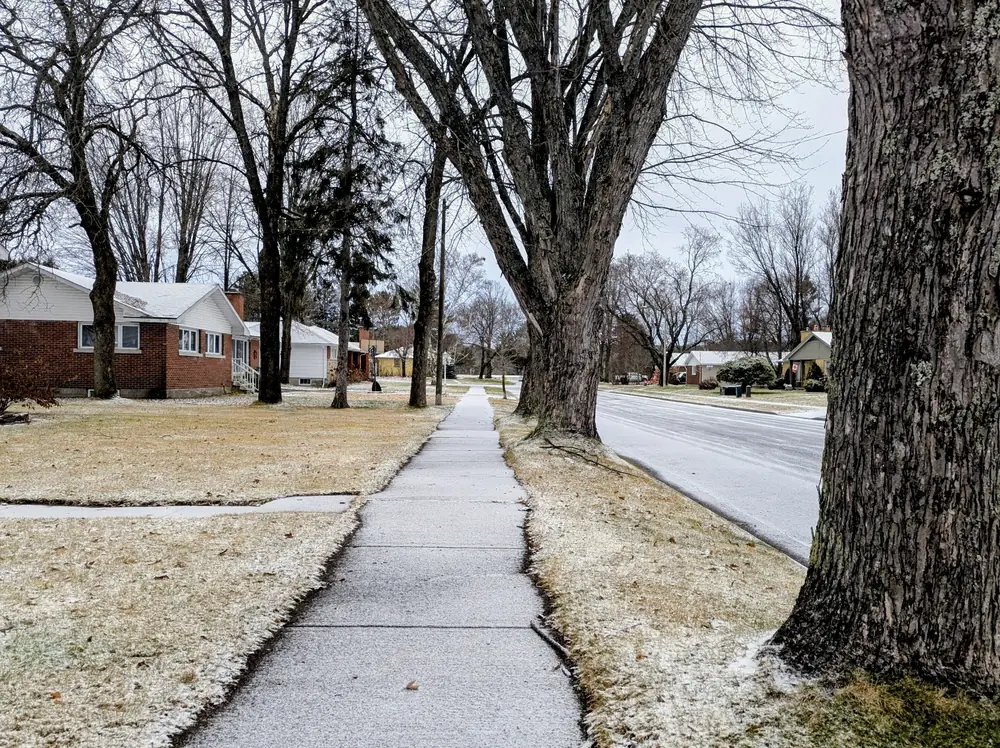
Concrete keeps getting stronger for weeks after it's poured, and the way it's treated early on decides a lot about how it looks in ten years. None of this takes much effort. It mostly means waiting, and saying no to salt for one winter.
The first week
- Keep it damp or covered for 3 to 7 days. Curing is about holding water in the slab while it gains strength. Concrete allowed to dry out early can lose up to half of its potential strength. Follow the instructions we leave you, whether that's a curing compound, a cover or a light sprinkle.
- Walking on it: about a day after the pour for ordinary foot traffic. Keep bikes, wagons and dogs off the edges.
- Parking on it: about a week for cars and pickups. Keep tires away from the outside edges for the first month.
- Heavy loads: about 28 days for heavy trucks, campers, trailers and dumpsters. Strength for concrete is specified at 28 days for a reason.
Cold weather slows all of these down. If your pour is in late fall, we'll give you dates for your slab rather than the usual rule of thumb.
The first winter
West Lafayette, Indiana sees freezing temperatures on about 116 days a year at the Purdue airport. Young concrete handles that best if you give it a little help.
- No deicing salt the first winter. Skip deicing chemicals on new concrete its first winter and use them in moderation after that. Deicers are a leading cause of scaling, the flaking that eats away the top of a slab.
- Watch what your car brings in. Salt and slush dripping off a car are deicer too. Hose off or sweep the slush in the garage and on a new apron when you can.
- Shovel early and use sand for grip. A plastic shovel blade is gentler on the surface than steel, especially on stamped concrete.
- Give a fall pour time to dry out. University extension guidance is to let new concrete air-dry for about a month before its first freeze. That's one reason a pour in late fall sometimes waits for spring.
Sidewalks in the city
In West Lafayette, the owner or occupant next to a sidewalk clears snow and ice within six hours after daylight once a snowfall ends. That includes a brand-new walk, so shovel it rather than salting it the first winter.
After the first year
- Deicers in moderation. Once the slab has been through a winter, light use is fine. Shovel first, then use the least that does the job.
- Keep water moving. Downspouts should empty away from the slab, and soil along the edges should slope away so water doesn't run under it.
- Mind the edges. The edges of a slab carry the least support. Heavy equipment, dumpsters and trailers belong in the middle, not hanging off the side.
- Seal decorative concrete. Stamped and colored concrete gets resealed every few years. Plain broom-finished concrete doesn't have to be sealed.
What to watch for
Most new slabs need nothing but time. Call us if you see:
- a crack that runs through the middle of a panel instead of along a joint, or one that keeps getting wider;
- one side of a crack sitting higher than the other;
- a corner or edge that has sunk, or water ponding where it used to drain;
- flaking or pitting on the surface after the first winter.
Photos help. Send them along when you call (765) 508-4206, and we'll tell you whether it needs a look. If you're planning a new slab, see how we build driveways or the cost guide.
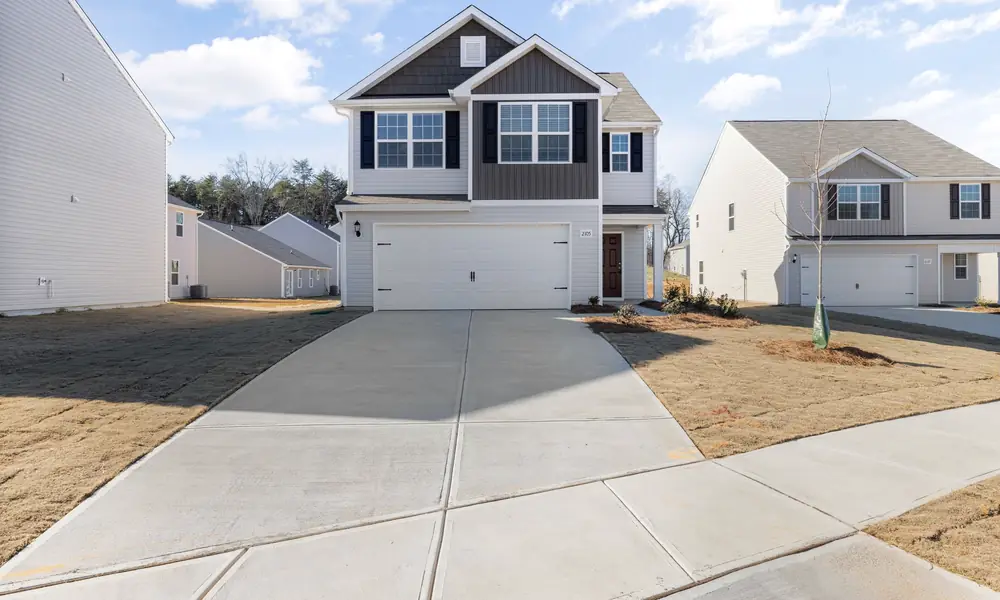 Driveways
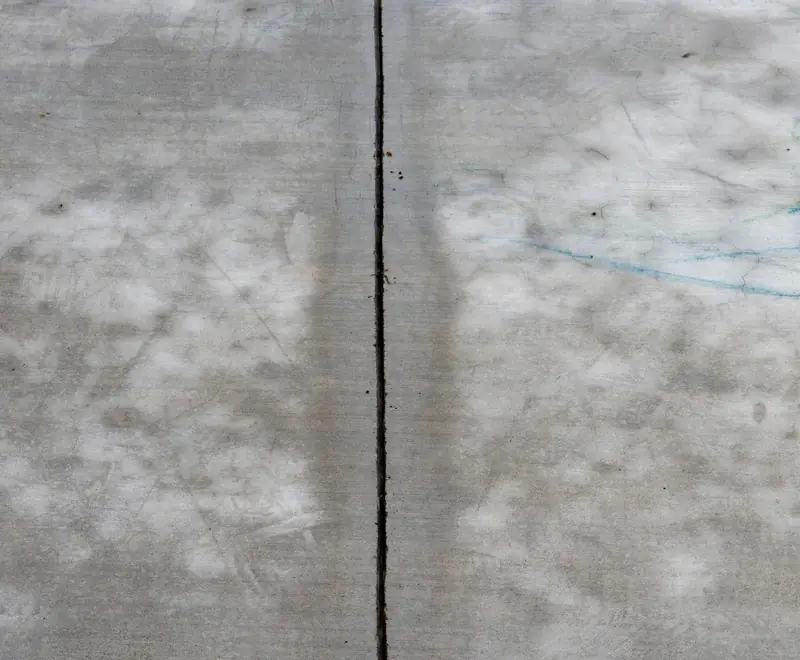 Removal and replacement
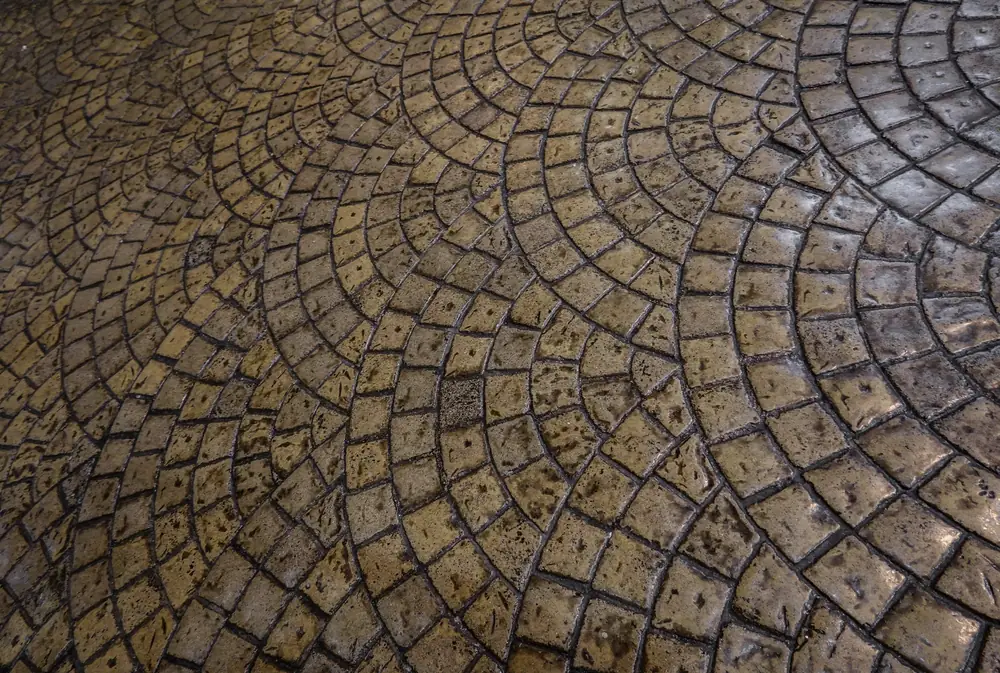 Stamped and colored