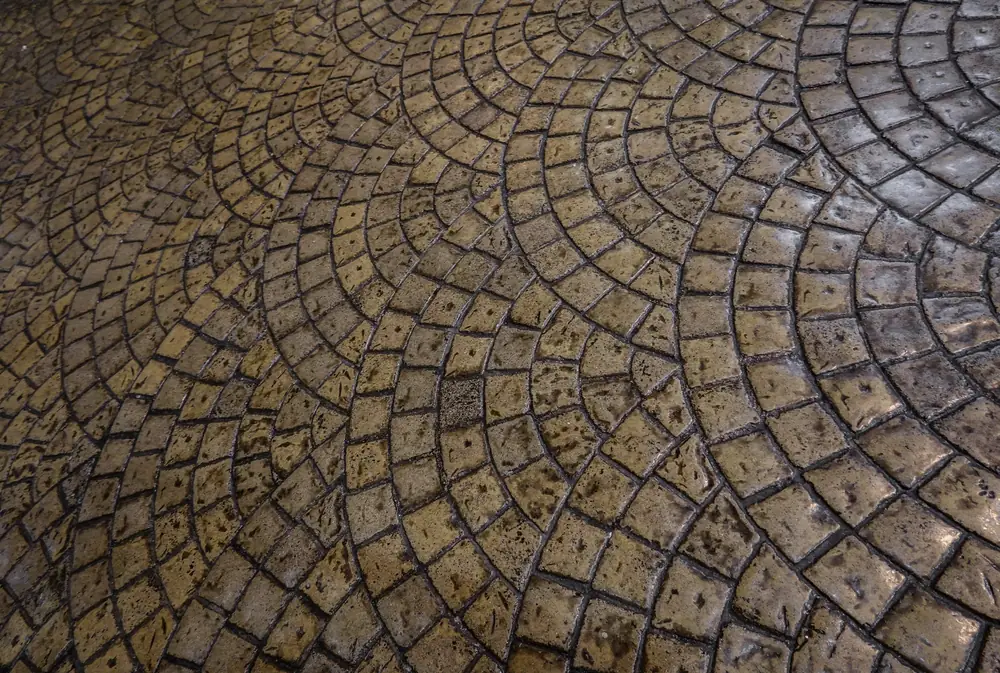
Stamped concrete is a regular slab with a pattern pressed into the surface while it's still soft, color worked into or onto it, and a sealer on top. Done well, it gives a patio or walk the look of slate, flagstone, brick or cobblestone with the strength of a poured slab.
It also costs more than plain concrete and asks a little more of you afterward, so we'll be straight about both. The estimate is free, done at your property, and written down with the pattern, the color method, the sealer and the joint layout listed.
Where stamped concrete makes sense
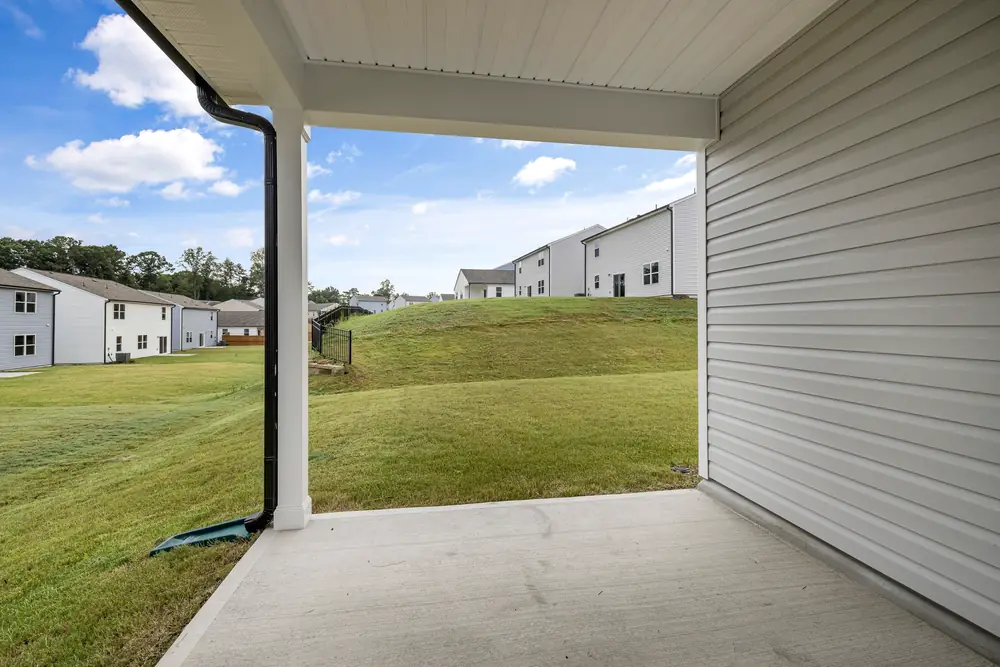
- Patios, where it's seen up close and walked on in shoes or bare feet. This is where most stamped concrete goes.
- Borders and bands around a plain broom-finished patio or along the edges of a driveway, which gives a finished look for less than stamping the whole slab.
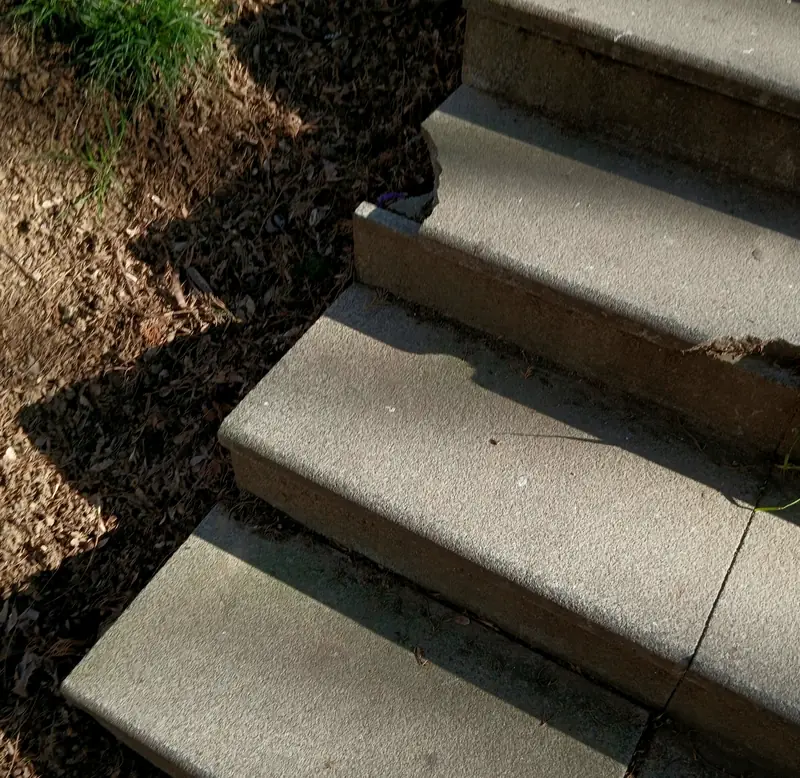
- Front walks and entry areas, with a texture chosen for grip.
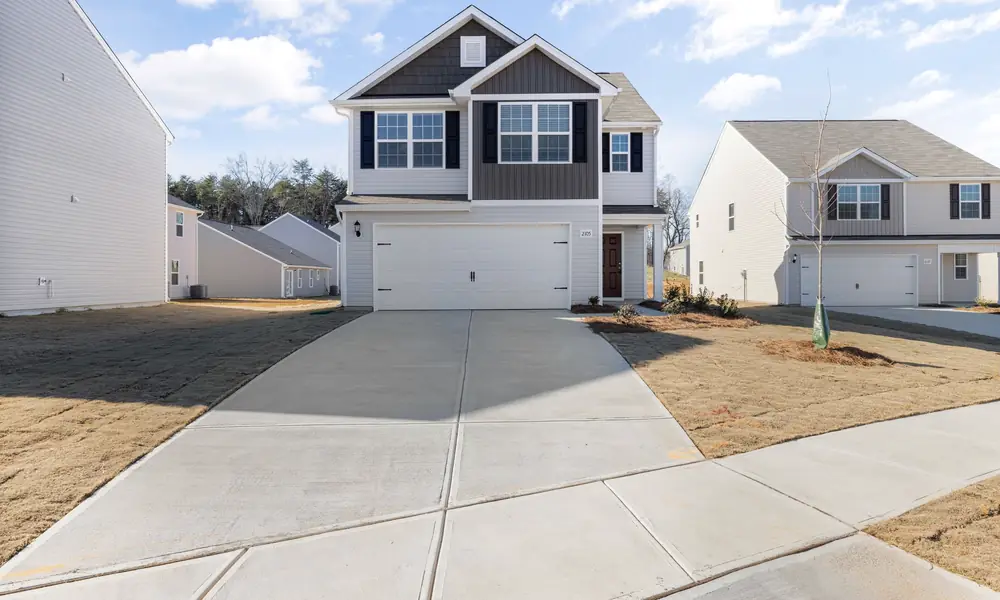
- Driveway accents, like a stamped apron or border. Stamping a whole driveway is possible, but it's the most expensive way to do it and the surface takes the most abuse from plows and tires.
If you're mostly after a clean, durable surface, a plain broom-finished patio is the better value, and it's the one we'd point you to.
Patterns and textures
Stamping mats come in dozens of patterns, but most fall into a few families: cut stone and slate in rectangles, random flagstone, brick and cobblestone, fan patterns, and wood plank. A few practical points matter more than the pattern name:
- Texture is traction. Patterns with a real stone texture grip better than smooth ones, especially once they're sealed.
- Bigger stones are calmer. Large-format patterns read as quiet and modern on a big patio. Small cobbles and brick work well as borders.
- Joints still go in. Every slab needs control joints at the usual spacing, and the good patterns let us hide them in the grout lines.
How the color gets in
There are three common ways to color stamped concrete, often used together.
| Method | How it works | What to know |
|---|---|---|
| Integral color | Pigment mixed into the concrete at the plant, so the color runs all the way through. | Softer, more natural tones. A chip or scratch shows the same color underneath. |
| Color hardener | A colored powder spread over the fresh surface and worked in before stamping. | Stronger, more even surface color and a denser top layer. |
| Release and stains | A contrasting release powder or liquid, or a stain applied after the slab cures. | Adds the darker accent in the low spots that makes it look like real stone. |
Color varies from batch to batch and with the weather on pour day, so a sample board helps, but expect the finished slab to have natural variation. That's part of why it reads as stone.
Stamped concrete and Indiana winters
Indiana's residential code rates Tippecanoe County as severe for weathering. Stamped concrete faces the same freeze-thaw as any slab, with a sealed, decorative surface you care more about.
- Air-entrained mix. Air-entrained concrete at about 4,000 psi, with about 6 percent air, is the standard for freeze-thaw exposure like ours. Stamped concrete is no exception.
- A proper cure. Concrete should be kept from drying out for its first 3 to 7 days. Concrete that dries too fast loses strength it never gets back.
- No salt the first winter. Then use it sparingly. Shovel early, and use sand for grip.
- Gentle snow removal. A plastic shovel blade or a snowblower set slightly high is kinder to the pattern and the sealer than a steel edge.
Sealing and upkeep
Sealer is what keeps the color rich and water out of the surface. Plan on resealing every few years, sooner on a sunny, busy patio. When the color goes dull or water stops beading, it's time. Between sealings, rinse it off in spring and fall, and clean up grill grease and leaf stains before they set.
Planning a stamped patio
A few decisions up front make the difference between a patio you love and one you live with:
- Look at real samples outside. Colors read differently in a catalog, under kitchen lights and in afternoon sun. Hold samples next to your siding, brick or roof.
- Think about the furniture. Deep, uneven textures make chairs and tables rock. Under a dining table, a flatter pattern or a smooth inset works better.
- Keep the drainage plan. A stamped slab still needs a compacted stone base and a pitch away from the house, exactly like a plain one.
- Plan for repairs. A patched or replaced section of stamped concrete is hard to match perfectly in pattern and color, which is another reason the base and joints deserve the attention.
What stamped concrete costs
Published cost data for Lafayette, IN puts a stamped patio at about $8 to $14 a square foot unreinforced and $9 to $16 reinforced, against $6 to $11 for a plain patio. The difference on common sizes:
| Patio | Area | Plain | Stamped |
|---|---|---|---|
| 12 x 16 ft | 192 sq ft | $1,152 to $2,112 | $1,536 to $3,072 |
| 16 x 20 ft | 320 sq ft | $1,920 to $3,520 | $2,560 to $5,120 |
| 20 x 20 ft | 400 sq ft | $2,400 to $4,400 | $3,200 to $6,400 |
Published Lafayette-area patio ranges multiplied by the area. For a stamped driveway, the national published range is $12 to $18 a square foot, or $5,760 to $8,640 for a 480-square-foot two-car drive. Your written estimate is the real number. Pattern, number of colors, borders and access all move the number. The cost guide explains the rest.
We pour stamped concrete across West Lafayette, Lafayette and the rest of Tippecanoe County, Indiana. See the service area, or call (765) 508-4206 to talk through patterns and colors.
 Patios
 Driveways
 Sidewalks and steps